

 Posted by
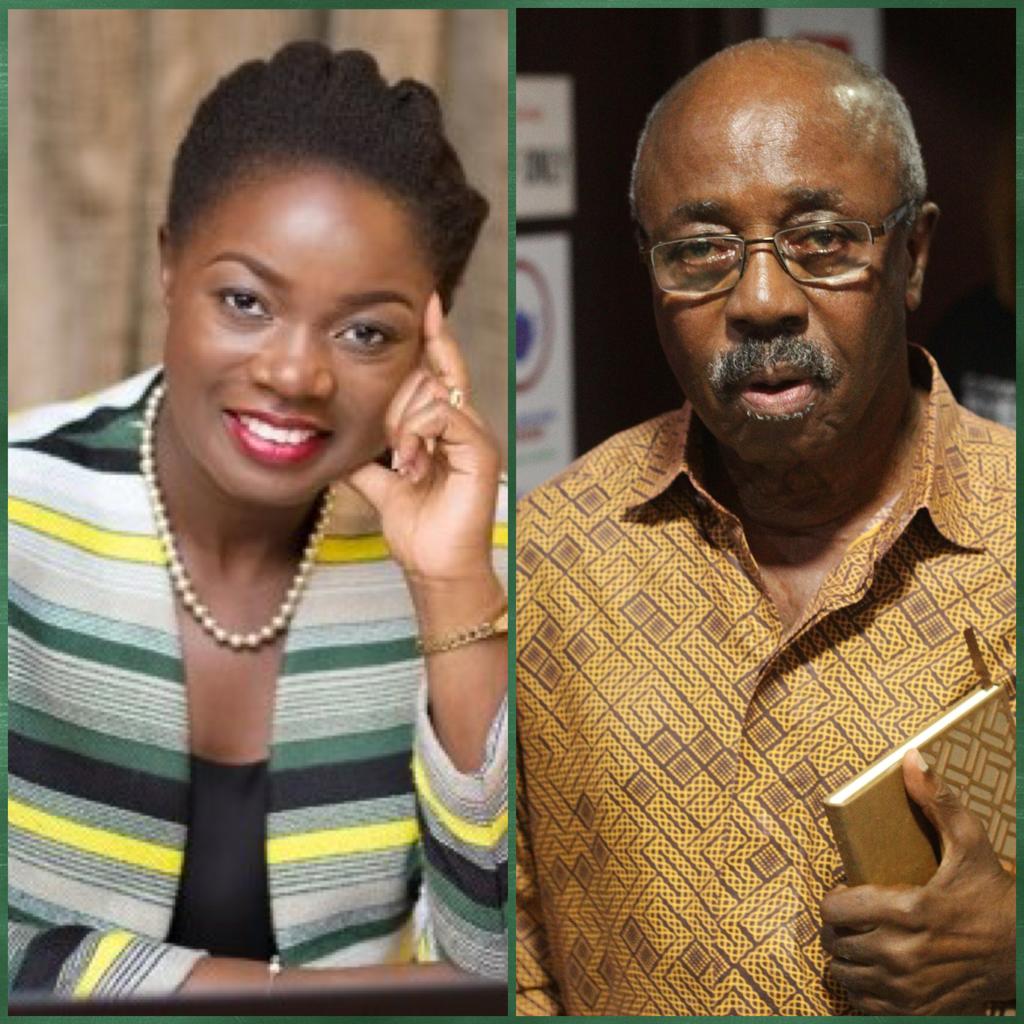
 Kwaw Ansah and Lucy Quist champion the cause
A course in “Critical Thinking” will never be complete unless and until one considers the mindset that makes critical thinking possible. On that subject, an observation by the Osagyefo Kwame Nkrumah comes to mind.
He was to assert that the new Africa needed thinkers of great thoughts, and doers of great deeds to demonstrate the best of the African personality to the world.
Habits of mind
The human brain is a most powerful engine; and it’s bewildering – as is believed – that we use about only a tenth of its potential! Cognitive capabilities are huge, but a series of mental roadblocks do get in the way limiting and betraying our thought processes.
Some of the pitfalls come in the form of debilitating jerky habits that manipulate the way we think, and consequently severely affect the way we do things. They move us in the direction of conclusions that we would never accept if we were capable of thinking better. Such restrictive mental habits continue to enslave one’s mindset unless they are recognised, roped in, and moulded for them to serve in our best interests .
For one thing, how can Africa – for example – continue to be needy considering that the continent has everything, being the envy of many countries lacking our natural endowment. Were we to develop the mindset to explore fully the range of critical-thinking abilities, we’d never tolerate the poverty in the midst of such abundance of land, water, and many important natural resources.
Lucy Quist on mindset
Today’s column was motivated by the piece, “Let’s repackage our story: Lucy Quist challenges Africans”, (Daily Graphic, November 6th, 2023).
Noting that Africa has to retell its story and highlight the possibilities that exist on the continent, she said, “We rarely tell our story; and when we do, we often undermine ourselves and sell ourselves short”.
In considering the fact that the story of Africa is often told without a sense of history and context, she lamented that “It is regrettable that our entire story is often limited to colonialism and independence. We seem to be unaware that we had great kingdoms before and great leaders who had organized their societies in remarkable ways”.
For her, each generation must be responsible for itself, and learn from the struggles and achievements faced by those who came before us. Her conviction about Africa where everyone prospers, led her to institute an annual conference by the same name.
She urged Ghanaians and Africans not to let their narrative be stolen or replaced by a negative one. For her, there are often two stories in every story; and they could both be true, but the story you choose to tell determines your mindset, which, in turn, determines your actions and your outcomes.
I met Lucy years back when she headed Airtel. She had invited me as a guest speaker at an event she had organized for a school here in Accra. After reading the article, I called her where introduced her book, “The Bold New Normal.” I bought ten copies on the spot to distribute to my daughters and to the libraries of some schools I teach at.
Kwaw Ansah on African images
I first met Kwaw Ansah in Los Angeles in 1980. He had come to California to have his movie, “Love Brewed in the African Pot,” edited. It was fun driving him around Hollywood in my Volkswagen Karmann Ghia. I happened to be in his hotel on Wilshire Blvd to pick him up one morning when we got the distressing news of the killing of John Lennon in New York.
We were to spend some memorable times in the company of the late Mark Cofie discussing his movie in my apartment on Alvira Street. Through Uncle Kwaw I was to meet some movie editors, producers, and actors like Lou Gossett Jr.
Back home in Ghana in 1995, I was often a guest at TV Africa which he had founded to champion his work on showcasing the values in African story though the proper images. Since then, it’s always been a treat whenever we meet. We laugh our heads off with his humorous stories and proverbs in Fanti. In that vein, he reminds me so much of my late mentor Ama Ata Aidoo.
His company often gets me to recall the iconic legal brain, Victor Owusu, who once told me, while driving together to Kumasi, “You’re born with your own natural brothers and sisters; later you may be blessed with a grand opportunity to choose another kith and kin from your friendly relationships.”
It was refreshing, reading Daily Graphic story (November 11, 2023), “Narrating Africa’s story: Bisa Aberwa Museum presses on”.
The report of the two-hour program featured Kwaw Ansah’s general artistic development over the years. His use of mass medium of film and the creation of the Bisa Aberwa Museum had all been motivated by the desire to tell authentic and uplifting stories about Africa and black people.
As he noted, “All we are trying to do is to bring about African glory; to tell Africans to be themselves and rise to tell their own stories … At Bisa Aberwa, we have a mission to show and explain our wonderful contributions to world civilization.”
The mission of the museum was to showcase and celebrate the achievements of black people in areas such as visual arts, crafts, literature, performance arts, film, music, sports, medicine, science, and more.
It’s so clear that an indigenous African cultural renaissance was overdue. A major objective was to challenge the stereotypes, myths, and the image of ourselves and the continent, and to recast them properly for the sake of our children.
Email: anishaffar@gmail.com
copyright© 2016-2023, anishaffar.org
Discover more from
Subscribe to get the latest posts sent to your email.
 anishaffar.org