
 Posted by
 Guest Contributor: Ben Brako
Anis Haffar provides a masterful diagnostic of our educational malaise by separating the “what” of the syllabus from the “how” of the curriculum. He is correct: a student who can define a musical scale but cannot play the flute is a victim of a system that prizes memorization over mastery. However, if we are to truly realize the “Re-Awakening of Ghana,” we must add a third, non-negotiable dimension to this framework: The “Who.” If the Syllabus is the list of ingredients and the Curriculum is the culinary skill to cook the meal, it is Heritage, Culture, and History that determine what kind of feast we are preparing and for whom.
The Anchor of Self-Knowledge
The fundamental difference between a syllabus and a curriculum is indeed the shift from “knowledge” to “all-round development.” Yet, development cannot be “all-round” if it is hollow at the center. A curriculum that produces a brilliant engineer who lacks an understanding of Ghanaian communal land tenure, or a doctor who is disconnected from the sociological history of the people they treat, has failed its primary mission.
True “authentic assessment” must measure more than just the ability to navigate “real-world settings”; it must measure the student’s ability to navigate their world. When we strip history and heritage from the curriculum, we offer our children a “universal” education that paradoxically leaves them feeling like strangers in their own land.
Culture as the Catalyst for Application
Education is not merely about the acquisition of skills; it is about the application of self to community. This is where the distinction between syllabus and curriculum becomes a matter of national survival:
- The Syllabus tells a child that the soil contains nitrogen, phosphorus, and potassium.
- The Curriculum teaches that child how to test the soil and grow a crop.
- Heritage teaches that child the sacred value of that land, the history of the ancestors who tilled it, and the moral obligation to use that “competency” to feed the specific community to which they belong.
Marking the Critical Difference
As Haffar notes, the current system victimizes our youth with a passive, archaic pedagogy. But the ultimate victimization is the loss of identity. Quality human capital is not just a workforce of “skilled doers”; it is a generation of self-aware leaders. The “can-do spirit” Haffar calls for is most potent when it is fueled by the knowledge of what our forebears have already done. By rooting the curriculum in our own cultural soil, we ensure that the “all-round development” of the student results in a citizen who does not just seek to be something, but seeks to do something meaningful for the African continent.
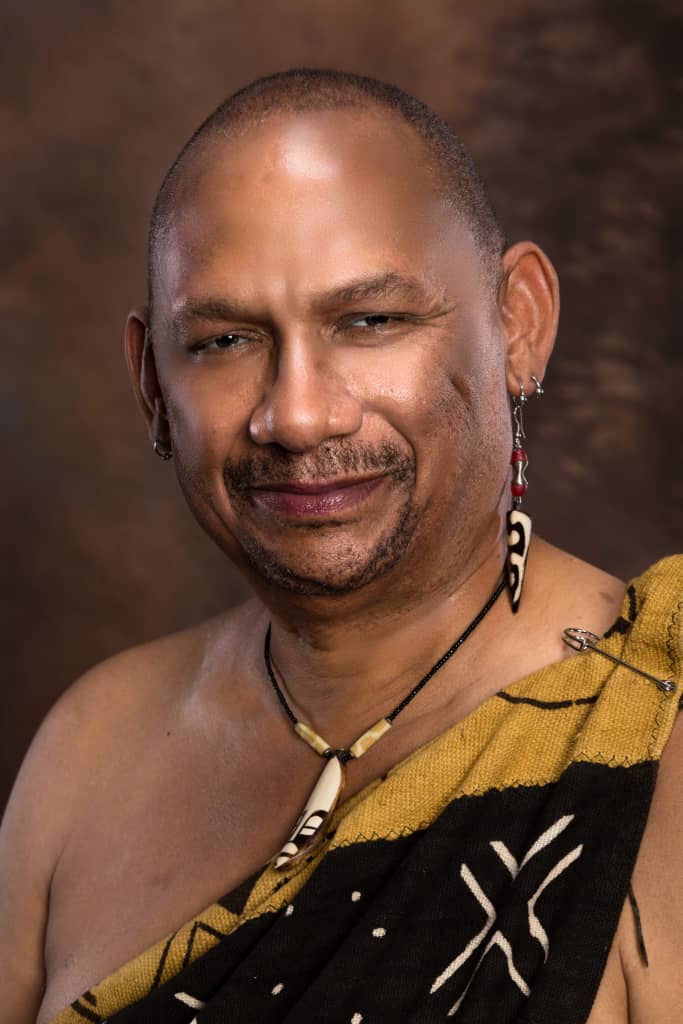
Ben Brako
Email:anishaffar@gmail.com
copyright© 2016-2026, anishaffar.org
Discover more from
Subscribe to get the latest posts sent to your email.
 anishaffar.org